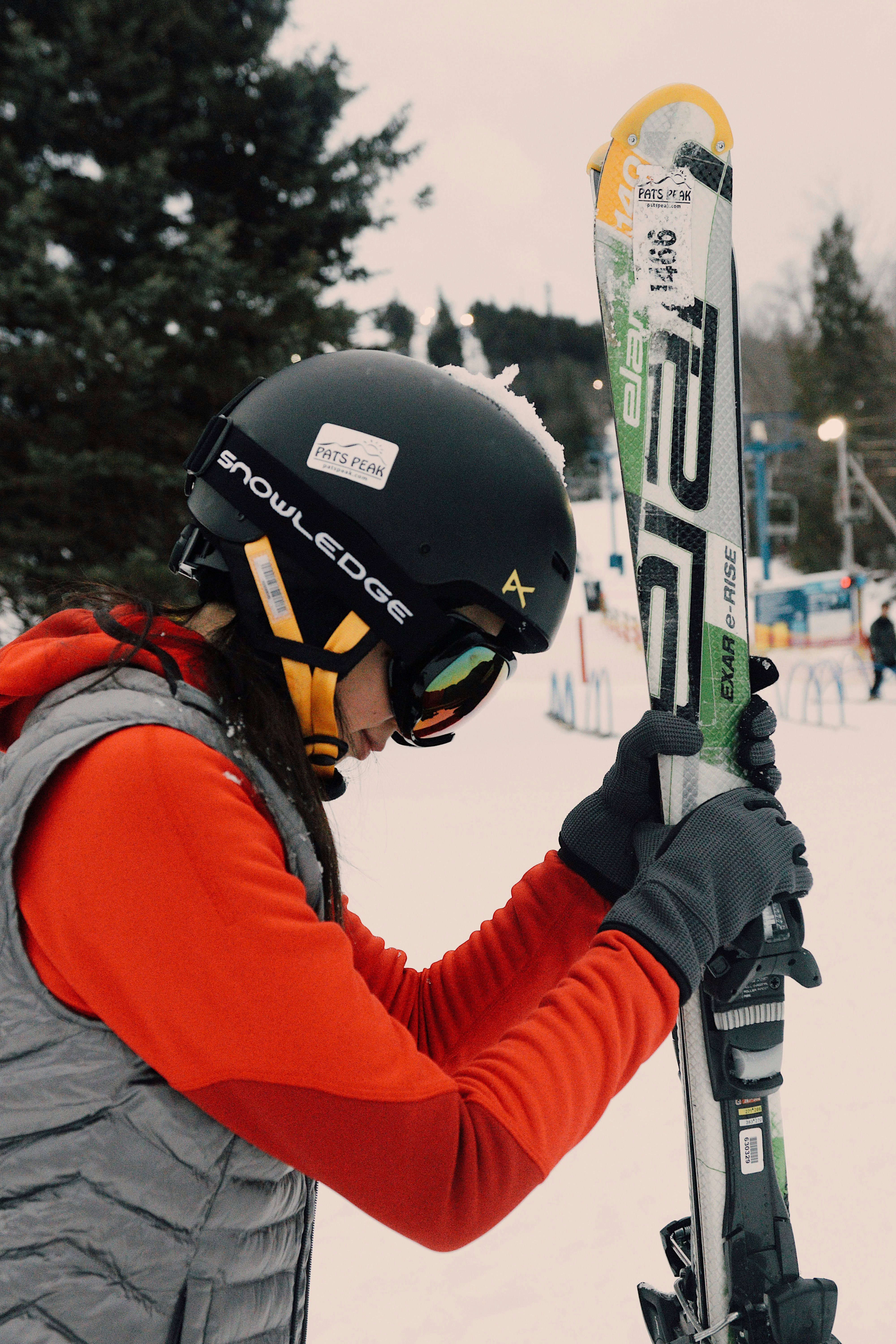
Introduction to Ski Gear
When hitting the slopes, the significance of proper ski gear cannot be overstated. Each piece of equipment plays a crucial role in optimizing performance, enhancing safety, and increasing overall enjoyment during skiing sessions. Ski gear encompasses a wide variety of items including skis, boots, bindings, poles, helmets, and appropriate clothing designed specifically for cold weather conditions.</p>
At the heart of effective skiing lies the choice of skis, which must be suitable for one’s skill level, the type of terrain, and snow conditions. Skis range from all-mountain options to specialized designs meant for powder or racing. Beyond just the skis themselves, the boots are equally critical. They need to provide excellent support and transfer energy efficiently from the skier to the skis, which improves control and responsiveness on the slopes.</p>
Bindings are another essential component of ski gear, as they connect the boots to the skis while ensuring that safety measures are in place. Properly adjusted bindings can reduce the risks of injury in the event of a fall, making them an important aspect of any skiing setup. Furthermore, ski poles, while sometimes overlooked, assist with balance and rhythm during skiing, especially in challenging conditions.
Equally vital is protective gear, such as helmets, which offer essential safety benefits. Head protection is critical in the event of a fall, and many regions now mandate helmet use in ski areas. Apart from safety gear, layering clothing is also necessary to maintain warmth without restricting movement, which further enhances the skiing experience.
Ultimately, investing in quality ski gear tailored to individual needs significantly contributes to a skier’s ability to perform, enjoy, and remain safe while navigating the slopes. Proper gear not only enhances one’s skill set but also enriches the overall skiing adventure, making it a key investment for enthusiasts or professionals alike.
Ski Types: Choosing the Right Pair
When it comes to skiing, one of the most critical decisions a skier must make is selecting the right type of skis. There are several categories of skis, each designed for different styles of skiing and conditions. Understanding these types can enhance your skiing experience significantly.
All-mountain skis are a versatile choice, suitable for various terrains and conditions. They typically feature a medium width and a rockered tip, allowing for smooth transitions between groomed runs and off-piste adventures. These skis are recommended for skiers who enjoy skiing across a range of terrains, including both powder and groomed snow.
On the other hand, powder skis are designed for deep snow conditions. They are wider, providing better floatation and stability in powder. These skis are ideal for those who frequently ski off-piste and seek to maximize their experience in soft snow. Skiers who love backcountry or tree skiing will find powder skis to be an excellent choice.
For those who enjoy tricks and jumps, freestyle skis are the way to go. These skis are shorter, with a symmetrical design that allows for easier movement in terrain parks. They often come with a twin tip, which enables skiers to land in either direction. Freestyle skiing enthusiasts will benefit from the lightweight nature and flexibility of these skis.
Lastly, racing skis are specifically made for high-speed performance on groomed trails. They are stiffer and narrower, designed to maximize edge grip and aerodynamics. These skis are ideal for advanced skiers who participate in racing or want to achieve high speeds on the slopes. Selecting the right type of ski ultimately depends on your skiing ability, style, and the conditions you plan to tackle. Assessing these factors will ensure that you choose a ski that meets your specific needs and preferences.
Ski Boots: Comfort and Control
Ski boots play a crucial role in ensuring both comfort and performance on the slopes. Selecting the right ski boots can significantly enhance your skiing experience, making it essential to understand the key features to consider. Size and fit are paramount; a well-fitted boot should provide a snug yet comfortable feel, allowing for optimal control of your skis. When trying on boots, it is advisable to wear the same socks you plan to use while skiing to ensure the most accurate fit.
The flex index of the boot is another critical factor to assess. Ski boots are categorized into different flex ratings, usually ranging from soft to stiff. Softer boots are more forgiving and are often favored by beginners or those who prioritize comfort and ease of movement. Conversely, stiffer boots offer enhanced performance and responsiveness, making them ideal for advanced skiers seeking precision in their turns. It is essential to choose a flex rating that aligns with your skiing ability and style.
Another important feature to consider is the liner of the ski boot. Liners can be made from various materials, influencing both warmth and comfort. Custom-fit liners, which can be thermally molded to your foot shape, offer increased comfort and personalized performance. Many top brands also provide options that enhance insulation to keep your feet warm during long days on the mountain.
In terms of brands, several manufacturers stand out for their quality and innovation in ski boot production. Salomon, Nordica, and Tecnica are renowned for their comfortable and high-performing ski boots. These brands continually test and refine their products to enhance user experience, making them popular choices among skiers of all levels.
Choosing the right ski boots is vital for a successful day on the slopes. By focusing on comfort, fit, flex, and brand reputation, skiers can make informed decisions, ultimately improving their skiing performance and enjoyment.
Bindings: Keeping You Secure
Ski bindings are an essential component of any skiing setup, playing a critical role in both safety and performance on the slopes. They act as the link between your ski boots and skis, ensuring that your feet remain securely attached while allowing for necessary movement and control. There are several types of ski bindings, each designed with specific features that cater to different skiing styles and skill levels.
One of the primary functions of ski bindings is to release the boot from the ski in the event of a fall. This feature is vital in preventing injuries, particularly to the knees and lower legs. Bindings are equipped with adjustable release mechanisms that allow the skier to set the settings based on their weight, skill level, and skiing style. For instance, novice skiers may require a lower release setting for easier disengagement, whereas advanced skiers might opt for a higher setting to prevent accidental releases during aggressive skiing.
When choosing ski bindings, it is essential to consider several factors. First, compatibility with your ski boots is crucial; bindings are designed for specific boot sizes and types, such as alpine, AT, or telemark boots. Additionally, the terrain and type of skiing you plan to do will significantly influence your choice. For example, all-mountain bindings tend to offer a good balance between performance and versatility, while freestyle bindings prioritize weight and flexibility for tricks and park skiing.
Moreover, weight and material of the bindings can impact overall performance. Lighter bindings are favored for backcountry skiing and touring, where minimizing weight is key. Conversely, heavier, sturdier bindings are often preferred for downhill skiing due to their stability and responsiveness. Always ensure that the bindings you select align with your skiing objectives, enabling you to maximize both enjoyment and safety on the slopes.
Ski Poles: Balance and Support
Ski poles play a vital role in skiing, contributing to balance and support on the slopes. They aid in maintaining proper skiing posture, facilitating better weight distribution, and improving overall performance. For ski enthusiasts, having the right poles can make a significant difference in maneuverability and stability, especially during downhill runs.
When selecting ski poles, it is essential to consider their length and material. The ideal pole length can be estimated by standing the pole on its tip with the grip resting on the ground. Your elbow should form a right angle when you grasp the pole. This method helps ensure that the poles are neither too long nor too short, promoting an optimized skiing stance. Typically, pole lengths range from around 90 centimeters to over 130 centimeters, depending on your height and skiing style.
Material also plays an important role in the performance of ski poles. Most commonly, poles are made from aluminum or carbon fiber. Aluminum poles are durable and resistant to bending, making them a popular choice for recreational skiers. However, they can be heavier compared to their carbon fiber counterparts. Carbon fiber poles, while lighter and able to reduce fatigue during skiing, may be less durable and more prone to breakage under high stress. Choosing the right material depends on the skier’s preferences; recreational skiers may prioritize durability, while competitive skiers might lean towards lighter options.
Lastly, ski pole grips and baskets should also be taken into consideration. Ergonomic grips enhance comfort during long descents, while wider baskets can provide better performance in softer snow conditions. By carefully considering these aspects, skiers can select the ideal ski poles that complement their skiing style and enhance their experience on the slopes.
Apparel for Skiing: Staying Warm and Dry
When it comes to enjoying a day on the slopes, having the right clothing is crucial for comfort and performance. The essential ski gear starts with layered apparel, allowing skiers to regulate their body temperature effectively. A well-considered ski outfit typically consists of three layers: base layers, insulation layers, and outer shells.
The base layer is the first line of defense against cold weather and should be made from moisture-wicking materials such as merino wool or synthetic fabrics. These materials help to draw perspiration away from the skin, keeping the body dry and warm. Look for a snug yet comfortable fit, as this layer should effectively trap warmth without feeling restrictive.
The mid-layer, or insulation layer, serves to provide additional warmth. Fleece jackets or down vests are excellent choices, as they offer insulation without excessive bulk. It is advisable to choose a mid-layer made from breathable materials to ensure that overheating does not become an issue during physical exertion.
The final layer, the outer shell, acts as protection against wind, water, and snow. A high-quality waterproof and breathable jacket is essential for skiers, as it keeps moisture out while allowing sweat to escape. Features such as adjustable hoods, cuffs, and hemlines can enhance fit and comfort, ensuring that snow does not creep in during skiing sessions.
When selecting ski apparel, it is essential to consider not just the material but also the fit. Clothing that is too tight can restrict movement, while excessively loose garments may hinder insulation and heat retention. Thus, an optimal ski outfit requires well-fitted, breathable, and versatile layers designed to keep the skier warm and dry throughout the day.
Safety Gear: Helmets and Goggles
When venturing onto the slopes, prioritizing safety through proper gear is essential. Among the most critical components of your skiing equipment are helmets and goggles. These items help ensure a safer skiing experience by providing protection and visibility in various weather conditions.
Helmets serve the primary function of protecting your head from potential injuries that can occur during skiing incidents. When selecting a helmet, it is crucial to consider several factors, including fit, certification standards, and additional features such as ventilation and ear protection. A properly fitted helmet should be snug but comfortable, allowing for sufficient movement without compromising safety. Look for certified models, which meet safety standards set by organizations such as the American Society for Testing and Materials (ASTM) or the European Committee for Standardization (CE).
In addition to providing protection, many ski helmets now incorporate modern technology, such as built-in audio systems for listening to music or communicating with friends via Bluetooth. When choosing a helmet, it is also advisable to try on a variety of brands and styles while wearing any headgear you intend to use, such as beanies or liners, ensuring compatibility and comfort.
Equally important are goggles, as they protect your eyes from UV rays, wind, and snowfall, while also enhancing visibility. When selecting goggles, consider lens tint, anti-fog features, and the fit with your helmet. Different lens tints are better suited for varying weather conditions; for instance, darker tints are ideal for sunny days, while lighter tints enhance visibility in low-light environments such as overcast skies or during snowfall.
Furthermore, ensure that the goggles fit closely to your face, minimizing gaps to prevent wind from entering. Make sure to test the goggles with your helmet to ensure compatibility, as a snug fit is necessary for optimal performance. Investing in high-quality safety gear like helmets and goggles not only protects you but enhances your overall skiing experience, allowing you to focus on enjoying the slopes.
Accessories: Enhancing Your Ski Experience
When heading out to the slopes, ensuring that you have the right ski accessories can greatly enhance your overall experience. Accessories serve both functional and comfort-oriented purposes, allowing you to enjoy skiing without unnecessary distractions or discomfort.
One essential accessory is a quality pair of gloves or mittens. These items not only keep your hands warm but also provide the grip needed to handle ski poles effectively. Look for options made from waterproof materials with insulation to ensure your hands remain dry and warm throughout the day. Brands such as Hestra and Black Diamond offer excellent choices that combine style with functionality.
Another important item is a neck gaiter, which protects your neck and face from the biting cold of winter winds. A versatile neck gaiter can also be adapted to various styles, such as pulling it up over your face or wearing it as a headband. Materials like fleece or merino wool are highly recommended for their warmth and comfort. Several outdoor brands also offer gaiters that are both breathable and wind-resistant, ensuring maximum protection.
Consider investing in a ski bag as well, especially if you plan to travel to different resorts. A good ski bag not only protects your gear during transit but also makes it easier to carry. Look for padded options that offer durability and have wheels for enhanced portability. Popular models from manufacturers like Dakine and Thule are well-regarded for their quality and design.
Additional accessories, such as goggles with interchangeable lenses, helmet liners, and ski socks, should not be overlooked. High-performance goggles enhance visibility and protect your eyes from UV rays, while a comfortable helmet liner can add an extra layer of warmth and comfort. Proper ski socks designed to wick away moisture can also prevent blisters, ensuring that your feet remain comfortable throughout your skiing adventures.
In conclusion, the right ski accessories can significantly improve your skiing experience. By selecting quality gear like gloves, neck gaiters, and ski bags, along with other essential items, you can focus on enjoying your time on the slopes to the fullest.
Storing and Maintaining Your Ski Gear
Proper storage and maintenance of ski gear are crucial for ensuring the longevity and optimal performance of your equipment. The first step is to clean your skis and snowboard after each use. This involves removing any dirt or debris that may have accumulated during your time on the slopes. Use a soft cloth or a specialized ski cleaning product to wipe the surfaces, paying close attention to the edges and base. Keeping your gear clean helps prevent damage and prepares them for storage.
Once cleaned, drying your skis and snowboard is essential to prevent rust and corrosion. Be sure to dry them in a cool, dry place, avoiding direct sunlight or intense heat sources that could warp the materials. Once they are completely dry, consider applying a layer of wax to the base of the skis. This not only protects the base but also enhances performance the next time you hit the slopes. If you are unsure about how to wax your skis or snowboard, many local shops offer services that can help.
Storage conditions play a pivotal role in the maintenance of ski gear. Store your skis and snowboards in a temperature-controlled environment, ideally in a cool, dry area. Avoid keeping your equipment in a damp basement or overly hot attic, as these extremes can cause deterioration over time. When storing, use ski covers to protect your gear from dust and scratches.
Additionally, keep your bindings in mind; they should also be checked regularly for any signs of wear or damage. If you notice any issues, it is recommended to consult a professional. Last but not least, if you plan to store your ski gear for an extended period, especially during the summer months, consider taking them to a ski shop for a comprehensive service. This will ensure that your equipment is in top condition when winter returns.